

News
Tobacco regulator proposes age-specific ban to protect future generation
View(s):By Nidarshani Wickramasinghe
The National Authority on Tobacco and Alcohol is calling for legislation to ban the sale of cigarettes to those born after 2010, its chairman, Ananda Rathnayake, told the Sunday Times.
He said the NATA’s proposal, backed by specialist doctors and other medical professionals, would be presented to the government.
The proposed law will be similar to what Maldives passed last year, banning the sale, purchase and use of all tobacco products for anyone born on or after January 1, 2007.
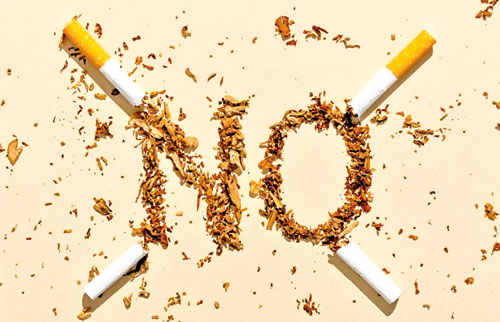
NATA has proposed the enactment of law similar to the Maldivian law
If such a law is introduced, it would be a long-term remedy to cut down smoking prevalence among Sri Lankans.
“The Maldives is very reliant on tourism. If anybody says banning smoking in Sri Lanka would affect tourism, then the Maldives is an example to prove that it is not true. The overall theme in the Maldives is “you can visit a smoke-free country,” Dr Rathnayake said, adding that one in three smokers dies prematurely.
At present the authority to carry out raids on cigarette sales lies with PHIs, the police and food and drug inspectors.
The current age limit for the sale or purchase of cigarettes is 21 years.
NATA says it will also urge the government to introduce a licensing system for the sale of tobacco on similar lines to where liquor shops are issued licences. Dr Rathnayake said the younger generation is targeted by cigarette firms as a move to draw new customers.
According to him, the increase in the price of cigarettes has been under discussion for a long time.
“Ideally 75% of the price of a cigarette should be taxes. Before the Covid-19 situation, taxes had been increased to 73%. But after Covid-19, taxes for many products were increased, but taxes for cigarettes were not increased. Presently, the taxes are around 63%,’’ he said.
The system for charging taxes on cigarettes is rather complicated, he said. Tax depends on the size of the cigarette. Because of that, companies keep shifting categories. Even with a 27.5% increase in taxes, the profit is over 92% for companies. So it is necessary for the government to reform the way it calculates revenue from cigarette taxes.
The belief that the income of the government comes from cigarette tax is an illusion. In fact, the annual income is Rs 90 billion. In addition, 80% of the cigarette companies are owned by the British.
“Measures are already being taken to amend the National Authority on Tobacco and Alcohol Act itself,” he added.
He said tobacco and alcohol consumption causes 200 diseases among Sri Lankans. An estimated 22,000 people die prematurely every year due to tobacco consumption.
About Rs 220 billion is already spent annually for the treatment of tobacco-related illnesses. This is about 1.6% of the overall economy.
The authority estimates 10 million cigarette filters are discarded every day, posing a significant environmental hazard. It is also not true that filters reduce harmful chemical absorption by smokers.
Dr Rathnayake said that land on which tobacco is grown is not used for food crops, while firewood is needed for drying tobacco leaves, harming
the environment.
The best way to say that you found the home of your dreams is by finding it on Hitad.lk. We have listings for apartments for sale or rent in Sri Lanka, no matter what locale you're looking for! Whether you live in Colombo, Galle, Kandy, Matara, Jaffna and more - we've got them all!