

News
Alert against liver cancer
View(s):- Specialists call for early screening for better prevention and early treatment
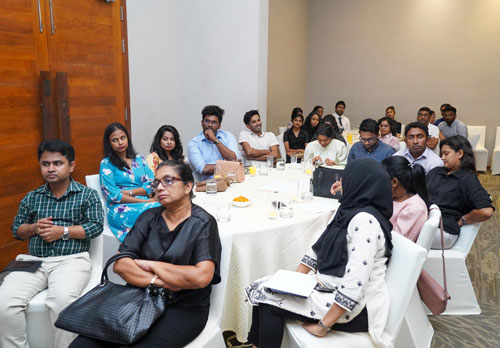
Part of the audience
By Kumudini Hettiarachchi
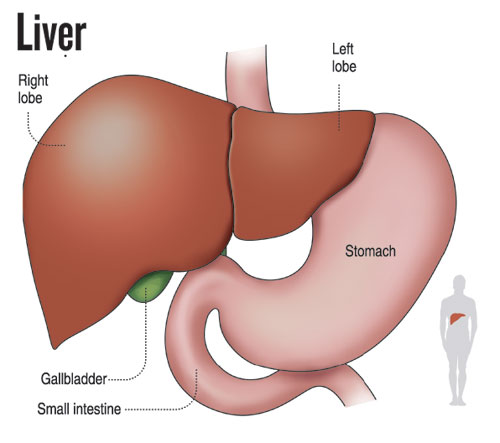
The largest solid organ in the human body, the liver is essential for many a function.

Prof. Madunil Niriella
Located beneath the rib cage in the right upper abdomen, the liver removes toxins from the body’s blood supply, maintains healthy blood sugar levels, regulates blood clotting and performs numerous other vital functions.
On a Saturday evening, the spotlight was turned on this important organ by the Sri Lanka Society of Gastroenterology and the Colombo North Centre for Liver Disease (CNCLD), Faculty of Medicine, University of Kelaniya, Ragama.
As experts elaborated on different aspects of liver cancer at this Hepatocellular Carcinoma (HCC) Awareness Programme, in the audience were oncologists, gastroenterologists and more.
Prefacing his input by reiterating that he is “passionate” about preventing and curing HCC, CNCLD’s Professor in Gastroenterology, Prof. Madunil Niriella looked at the HCC epidemiology globally, regionally and locally.
The global and Southeast Asian burden of HCC:
- While HCC is the 6th most common cancer worldwide, it is the 5th most common cancer in the region.
- While it is the 3rd leading cause of cancer deaths worldwide, it is the 2nd most lethal in the region.
- While 866,000 estimated cases were diagnosed in 2022 worldwide, Asian countries accounted for three-fourths (72.5%) of the total world cases.
- While there were 758,000 estimated deaths worldwide from HCC in 2022, Asian countries had a death burden of 73.3%.
- Liver cancer ranked among the top 3 causes of cancer deaths in 46 countries in 2020.

Dr. Chinthaka Appuhamy
Looking closely at “our” region, Prof. Niriella said Mongolia is reported to have the highest age-standardised incidence rate of 85.6 (rate corrected for the population in which this cancer occurs) and mortality of 80.6/100,000. Sri Lanka had the lowest of 1.2 and 1.1/100,000.
When looking at cases in Asia, meanwhile, China had 62.4%; Japan 7%; India 5.3%; Thailand 4.2%; and Vietnam 4%.
Describing the demographic characteristics, Prof. Niriella said the incidence of HCC increased with age, peaking around 75 years. Males have cancer at a lower age when compared with females. The median age at diagnosis was 50-59 years. The incidence of HCC is 2 to 4 times higher in males.
The prevalence of HCC may rise in the next 20 years, he argued, due to the high rates of alcohol misuse; the obesity and Type 2 Diabetes Mellitus epidemic; growing public awareness; and improved screening services.
He presented the findings of the first Sri Lanka HCC Snapshot Audit, a nationwide new HCC survey conducted from June to August 2024.
With the objective being the collection of nationwide data on HCC incidence and characteristics in Sri Lanka, the methodology had covered clinician-reported new HCC cases; dynamic imaging or histology; and looking at the demographics, risk factors, the tumours and their characteristics.
The results had found:
- An HCC incidence of 2.51/100,000
- 78.6% male, with an average age of 67.4 years
- 85.7% had cirrhosis
Dr. Uditha Dassanayake
Referring to the conclusions of this first South Asian nationwide snapshot, he said that the HCC incidence was low but rising and the disease was affecting older males with cirrhosis. Liver function was preserved and there was mostly a single nodule, moderate in size and in the early stage.
He underscored that HCC epidemiology is evolving from viral to metabolic-driven disease, demanding adaptive prevention and screening strategies. (The correct metabolism is the process of how a person’s body turns food and drink into energy. It encompasses chemical processes occurring in the body’s cells.)
With late presentation remaining a challenge, the need is enhanced screening programmes and a focus on Metabolic dysfunction-associated steatotic liver disease (MASLD) and alcohol prevention, added Prof. Niriella.
Looking at the ‘Radiological perspectives in surveillance and early detection of HCC’, Consultant Radiologist and Senior Lecturer, University Surgical Unit, Faculty of Medicine, University of Kelaniya, Dr. Chinthaka Appuhamy said HCC is primarily an imaging-based diagnosis, as early lesions are clinically silent.

Dr. Suchintha Tillakaratne
Imaging detects vascular transformation before symptoms and radiology guides surveillance, diagnosis and treatment, he said, explaining that the radiological goal of surveillance is to detect small, asymptomatic lesions; identify vascular hallmarks of HCC; enable curative intervention; and reduce the need for biopsy.
“Surveillance is imaging-driven; ultrasound is the gateway; MRI (Magnetic Resonance Imaging) is the problem-solver; early radiological diagnosis changes outcomes; and close clinician-radiologist collaboration is essential,” added Dr. Appuhamy.
Moving onto ‘Diagnosis and staging of HCC’, Consultant Gastroenterologist and Hepatologist/Senior Lecturer, CNCLD, Faculty of Medicine, University of Kelaniya, Dr. Uditha Dassanayake said that HCC is often diagnosed at advanced stages with poor clinical outcomes. Targeted molecular therapy is being developed to address this issue.
This is while tumour biology will play an important part in treatment selection, he said, pointing out that the role of biopsy in this setting is not clearly defined yet.
Dr. Dassanayake underscored that early detection through surveillance improves outcomes, while accurate staging requires assessment of both tumour and liver function. A multidisciplinary team approach optimizes treatment decisions.
With regard to ‘Management of early HCC’, Consultant Gastroenterological Surgeon, CNCLD, Faculty of Medicine, University of Kelaniya, Dr. Suchintha Tillakaratne spoke on ablative therapies such as Microwave Ablation (MWA), Radio-frequency Ablation (RFA) and Percutaneous Ethanol Injection (PEI) or alcohol injection instead of open surgery for small tumours. When the lesions are large and the cirrhosis is stable, surgery is considered.

Dr. Nuradh Joseph
He explained that in MWA, electromagnetic microwaves are used to heat and destroy the tumour, while in RFA high-energy radio waves are utilized to heat and destroy the tumours. Through the PEI, meanwhile, concentrated alcohol is injected directly into the tumour to destroy cancer cells.
Stressing that liver transplantation is the “gold” standard, he said that the challenges are a lack of organs, cost and immediate risk.
Comparing and contrasting surgery Vs ablation, Dr. Tillakaratne said that there was no difference in overall survival and there was recurrence-free survival. Ablation was minimally invasive, there was less bleeding and there was also no need for general anaesthesia.
| Importance of palliative care It was the all-important aspect of ‘Palliative treatment of advanced HCC’ that Consultant Clinical Oncologist, Dr. Nuradh Joseph attached to the Matara District General Hospital, focused on. He said it entailed the management of advanced HCC; systemic anti-cancer treatment; management of chronic liver disease and symptomatic treatment. Some of the points he brought forth are that:
Pointing out that immunotherapy combinations require very substantial cost reductions to be economically viable in Sri Lanka’s health systems, Dr. Joseph added that multidisciplinary team based palliative care improves survival and quality of life in patients with advanced HCC.
| |
The best way to say that you found the home of your dreams is by finding it on Hitad.lk. We have listings for apartments for sale or rent in Sri Lanka, no matter what locale you're looking for! Whether you live in Colombo, Galle, Kandy, Matara, Jaffna and more - we've got them all!