

News
Capturing magical moments of Sri Lanka’s vanishing majestic giants
View(s):- A photography exhibition at the Colombo National Museum aimed at conservation, showcases 75 striking portraits of wild tuskers captured by more than 40 wildlife photographers
By Malaka Rodrigo
Sri Lanka is recognised globally as a biodiversity hotspot, and among its many natural treasures, the Asian elephant (Elephas maximus maximus) stands tall as one of the island’s most iconic species. Within this majestic population, tuskers are considered the crown jewels, yet, they are becoming increasingly scarce, with many of the giants already gone.
In celebration of these magnificent creatures, an exhibition titled, “Majestic Tuskers” opened this week at the Colombo National Museum showcasing 75 striking portraits of wild tuskers captured by more than 40 wildlife photographers. The exhibition spans over four decades of photography, featuring tuskers photographed from the 1970s to the present, and is organised by a collective of nature enthusiasts under the banner “Wild Tuskers Sri Lanka.”
“As wildlife photographers, we often have the privilege of observing and photographing tuskers in their natural habitats, but these images usually remain within our own community,” said Milinda Wattegedara, a member of Wild Tuskers. “We wanted to share their grandeur with the wider public, to inspire appreciation and awareness, so we decided to organise this exhibition.” Mr.Wattegedara told the SundayTimes.
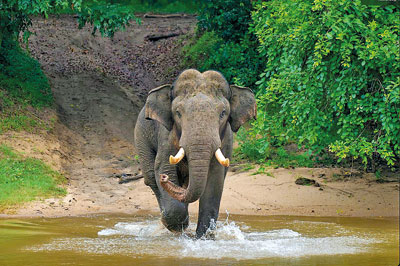
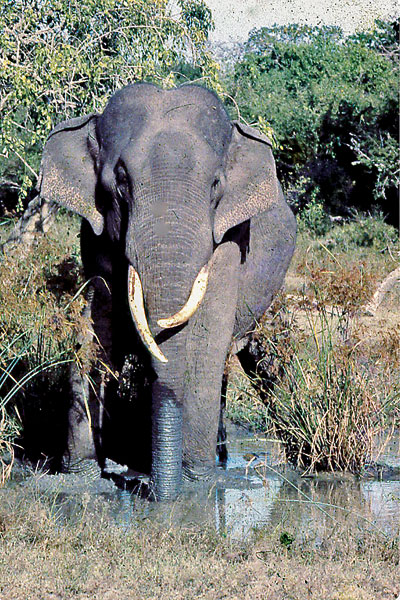
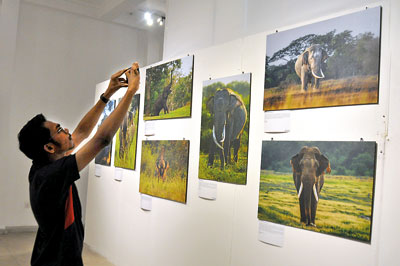
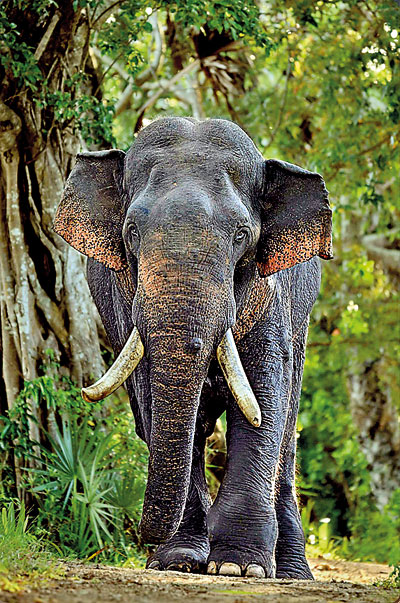
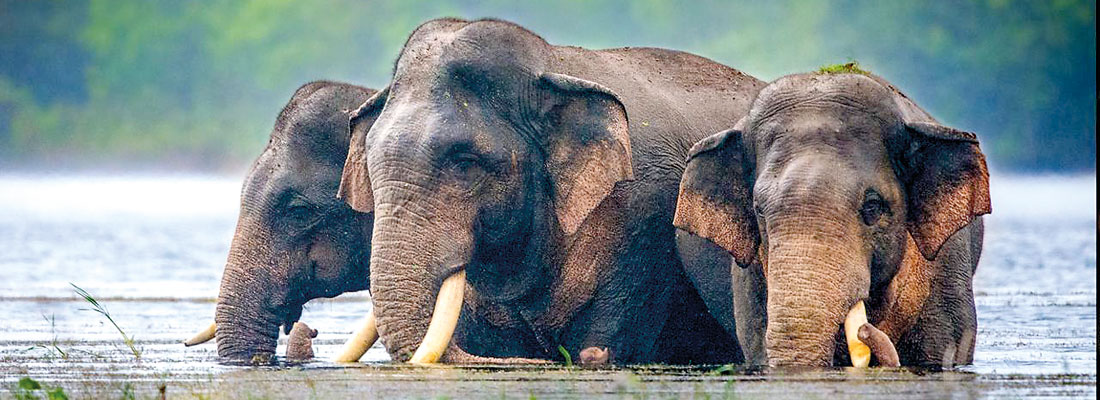
The exhibition brings together works from veteran photographers such as Ravindralal Anthonisto a new generation of passionate nature enthusiasts. Mr.Anthonis, who has won several awards for his striking tusker portraits, is also credited as a pioneer in the practice of individually identifying and naming Sri Lankan tuskers.
“During one of our visits to Yala, we saw a tusker near a waterhole. About an hour later, we passed the same spot and noticed the tusker in the same spot, but on closer inspection, we realised it was a different tusker,” Mr.Anthonis recalled. “That incident sparked my interest in studying them closely and identifying each individually”.
Traditionally, tuskers are named after ancient kings, warriors, or commanders, though some are identified by the regions they inhabit or by distinctive physical traits – such as crossed or short tusks. “These names help in conservation too,” Mr. Wattegedara noted. “They make it easier for people to recognise and form emotional connections with individual elephants, which is crucial in building public support for their protection.”
The Wild Tuskers group, founded in 2013, not only documents but also maintains a database of Sri Lanka’s wild tuskers. “Since we began, we’ve recorded 280 individual tuskers; but sadly, half of them are no more,” Mr. Wattegedara shared.
He emphasised the power of photography in conservation: “We believe that ‘seeing is believing.’ Visual experiences allow people to truly grasp the beauty of these giants and form emotional bonds that facts and figures alone cannot create. That connection often leads to real action to protect them.”
Some people believe that sharing the locations of these tuskers could put them in danger, but we’ve realised this isn’t the case — otherwise, they would simply disappear in the wilderness without anyone noticing. Today, several photographers follow them closely, and when the elephants are injured or in trouble, authorities are alerted. This also allows officials to monitor and care for them more effectively,” the organisers of the exhibition told the Sunday Times.
Unlike their African counterparts, where both males and females have tusks, only some male Asian elephants develop them. In Sri Lanka, it is estimated that just 7–8 percent of all males are tuskers, making each one rare and precious. Of the estimated 6,000 wild elephants on the island, only about 120 to 150 would be tuskers. Scientists believe this scarcity may be the result of centuries of selective survival, as large tuskers were once captured or targeted by hunters.
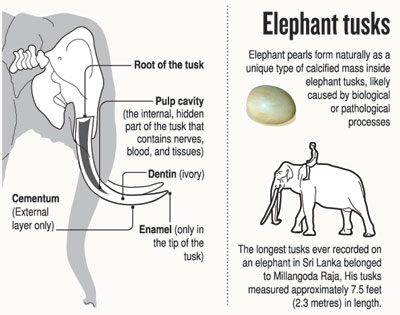
Biologically, tusks are elongated upper incisor teeth made of ivory or dentine that continue growing throughout an elephant’s life. They are essential tools used for digging, stripping bark, moving logs, marking trees, or defending against rivals. Elephants even show a form of “handedness,” like humans are ‘right or left handed’ favouring one tusk—known as the master tusk—which becomes more worn over time.
Female elephants, in contrast, never grow tusks. Some, however, develop small peg-like projections called “tushes,” which are hollow at the base and hidden beneath the lip, offering no real utility.
The “Majestic Tuskers” exhibition, which opened on October 24, will be open to the public until October 26, from 10 a.m. to 5 p.m., with free admission. It is both a celebration and a call to protect the few remaining giants who still roam Sri Lanka’s wilds; silent ambassadors of a vanishing legacy.
The best way to say that you found the home of your dreams is by finding it on Hitad.lk. We have listings for apartments for sale or rent in Sri Lanka, no matter what locale you're looking for! Whether you live in Colombo, Galle, Kandy, Matara, Jaffna and more - we've got them all!