


Winds of change within SLC this week?
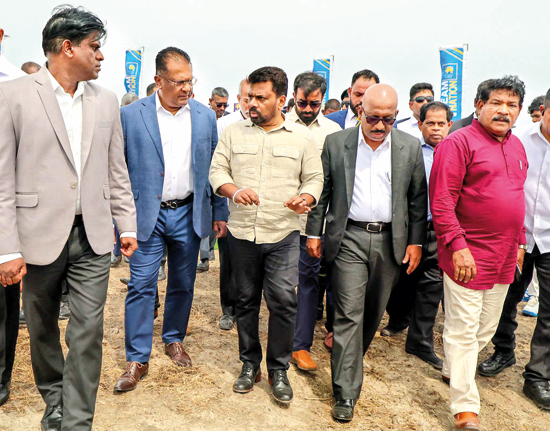
For weeks, speculation rippled through cricketing circles that the ruling National People’s Power (NPP) government is exerting pressure on long-serving SLC officials to relinquish office. This, sources suggest, is driven by mounting public frustration over the national team’s decline, coupled with persistent allegations of corruption and administrative mismanagement. Calls for reform have grown louder, transforming from quiet murmurs into a united call for accountability and structural reforms.
Sources close to Silva confirmed to the Sunday Times that the SLC chief met with President Anura Kumara Dissanayake on Friday to explore a possible exit strategy. While Silva’s resignation now appears almost inevitable, uncertainty lingers over whether the rest of the Executive Committee will follow suit. Several members are reportedly inclined to serve out the remaining eight months of their term, setting the stage for a potentially divided transition.
Neither SLC nor the government has issued an official statement regarding the anticipated shake-up. The attempt to contact Silva was futile. Yet, multiple sources within the board insist that change is imminent. The form it will take, however, remains unclear. Authorities could opt to appoint an interim committee or place the board under a competent authority until fresh elections usher in a new, democratically elected administration.
Sri Lanka’s 1973 Sports Law grants the Sports Minister sweeping powers to dissolve governing bodies, a provision that has been applied before. In 2015, former cricketer Sidath Wettimuny headed an interim committee, while in 2018, then Sports Minister Faiszer Mustapha appointed Kamal Padmasiri as Competent Authority following the end of Thilanga Sumathipala’s tenure. Since then, Silva has maintained his grip on SLC despite fluctuating on-field fortunes.
However, such interventions does not align with the governance framework of the International Cricket Council (ICC), which frowns upon political interference in member boards. A similar move in December 2023 resulted in Sri Lanka’s suspension from full ICC membership, a measure that also stripped the country of hosting rights for the ICC Under-19 World Cup 2024.
Seven years under the same administration have created a clear imbalance. Captains, coaches, selectors, and players have changed repetitively, but the Executive Committee has mostly stayed the same. This difference has contributed to an environment where accountability is scarce and continuity elusive.
Allegations of corruption have long overshadowed successive cricket administrations. Proven or not, they have eroded public trust. Transparency remains limited, with SLC resisting inclusion under the Right to Information Act. Government dissatisfaction with the current set up appears rooted not only in governance concerns but also in results: a slide in international rankings and a string of underwhelming performances on the global stage. Though Silva, re-elected last year, technically holds office until May 2027, the momentum for change may prove irresistible.