


The unique flavour of Puththaandu
View(s):- Ayathurai Santhan recalls some time-honoured Tamil traditions
The Puththaandu, popularly known as Puthu Varusham or Varushappirappu of the Tamils, is the same as the Aluth Avurudu, the Sinhala New Year.
Hearing the first cooing of a cuckoo at a distance usually signified the beginning of a six-month period of kodai, the summer, that is characterised by work, playful activities, and enjoyment. The Puthandu celebrations herald the beginning of this brighter half of the year. The beginning of village temple festivals with flag hoistings one after another; the arrival of the enchanting Chozhahamwind, which makes the sky fill with kites of various shapes, sizes and colours, resonating with their non-stop buzzing and humming; and the flooding of seasonal mangoes and jakfruits, typical of the region.
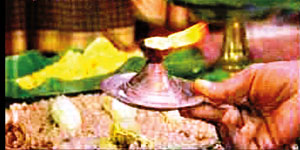
Lighting the lamp
Most temples, especially several Pillaiyar temples in the North and elsewhere in the country, hold their annual chariot festivals on that day.
The evening before the dawn of the new year is typically marked with the task of visiting the local temple with a brass sembu to collect the sacred maruththu neer for ceremonial bathing the next morning. Although this decoction could be prepared at home, most people prefer not to do so because they cannot gather all the herbs, leaves, and other ingredients specified in the Panchangam, which is the almanac for the preparation.
Whatever the time of ‘birth’ of the new year, the children, like the elders, are busy from early dawn. After enjoying a heartfelt bath, unlike the forced, cold one they endure during Pongal morning, they set off for the temple with the first rays of the sun.
The fresh, serene surroundings with mesmerizing scents from the temple garden will tempt anyone to spend a few minutes in prayer. The scents emanating from the white and purple water lilies from the temple pond and the flowers of the massive Maruthu trees lining the outer yard are still fresh in the mind of the writer. After worshipping at the temple, the little ones must return home to wear the crisp new clothes and to participate in the Pongal function and prayer, followed by enjoying the sweet rice prepared for the occasion with lots of ingredients such as green gram, jaggery, ghee, cardamom, cashew nuts, and raisins.
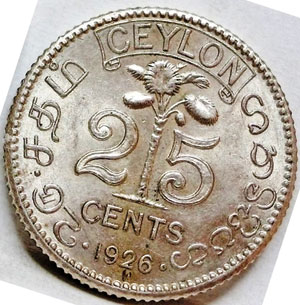
Coins from the past: For kai vishesham
The next most anticipated aspect of this festival is the auspicious timing designated in the new Panchangam for the kai visheham -the formal give and take of money for the first time in the year. Usually the senior-most person in the family is entrusted with this holy task. Family members gather at the shrine room, and the money and a few grains of paddy and some flowers kept in a roll of betel are passed to everyone, accompanied by a sense of reverence from both the giver and the receiver.
The children also have their turn, in fact, usually before the elders, each being given a shiny, gold-like coin worth either 25 cents or 50 cents. Parents and grandparents, all the elders among the relatives also present the little ones with the kai vishesham. However, there is a dilemma: the children often feel reluctant to spend these coins, captivated by their shiny appearance.
The spending typically occurs during the next trip to thiruvizha at the temple in the forenoon. The young devotees first make an offering in the donation box in front of the temple before purchasing snacks like gram, cotton candy, ice pazham, various trinkets and toys. The girls are particularly drawn to the shops selling colourful plastic bangles from India, while the boys enjoy the loud, sliding whistles, affectionately known as the ‘mama-papa’ whistles.
On the way back home, there are drinks like buttermilk, lime and jaggery water and pickle water, prepared and served at different thannir panthals set up for the special day.
The shopping experience at the thiruvizhaa revolves around the collection of kai vishesham. Some children give a portion of their money to their mothers to deposit for future use. Some buy clay tills the size of coconuts, at the thiruvizha, placing their leftover coins in them to initiate a savings project on this auspicious day. Unfortunately, many of the pots tend to break after only a few months.
The more mature resort to Post Office savings, where various coloured saving stamps could be obtained according to the values and pasted on an elongated narrow book meant for the purpose, given when one starts an account. The additional thrill to seeing the growing balance was akin to stamp collecting, a popular hobby in my young days. But neither I nor any of my friends managed to fill even a single page of the book!
Generally, for lunch on New Year’s Day, the children would prefer a second round of the morning’s ghee-smelling sweet rice with some special festival treats such as vadai, murukku and athirasam or payattram paniyaram.
And there was the thrill of por thenkai, the same New Year game enjoyed in the South of the country as pora pol, a fight of breaking fully husked coconuts, even without any tufts. A big ground was not needed; any fair-sized courtyard was enough for this ‘por’.
The general belief was that the nuts with elongated shells were much stronger than the rounded ones and that soaking them in well water for a few months would make the shells harder. Not only the children but even the adults were engrossed in this game; fans of the game used to leave coconuts in the well for months in advance.
While the parents and other elders indulged in the naal kaariyams – the auspicious beginnings of their jobs and other businesses in the days that followed, for the young ones the memories of the Puththandu would remain until the next New Year’s Day.
Searching for an ideal partner? Find your soul mate on Hitad.lk, Sri Lanka's favourite marriage proposals page. With Hitad.lk matrimonial advertisements you have access to thousands of ads from potential suitors who are looking for someone just like you.